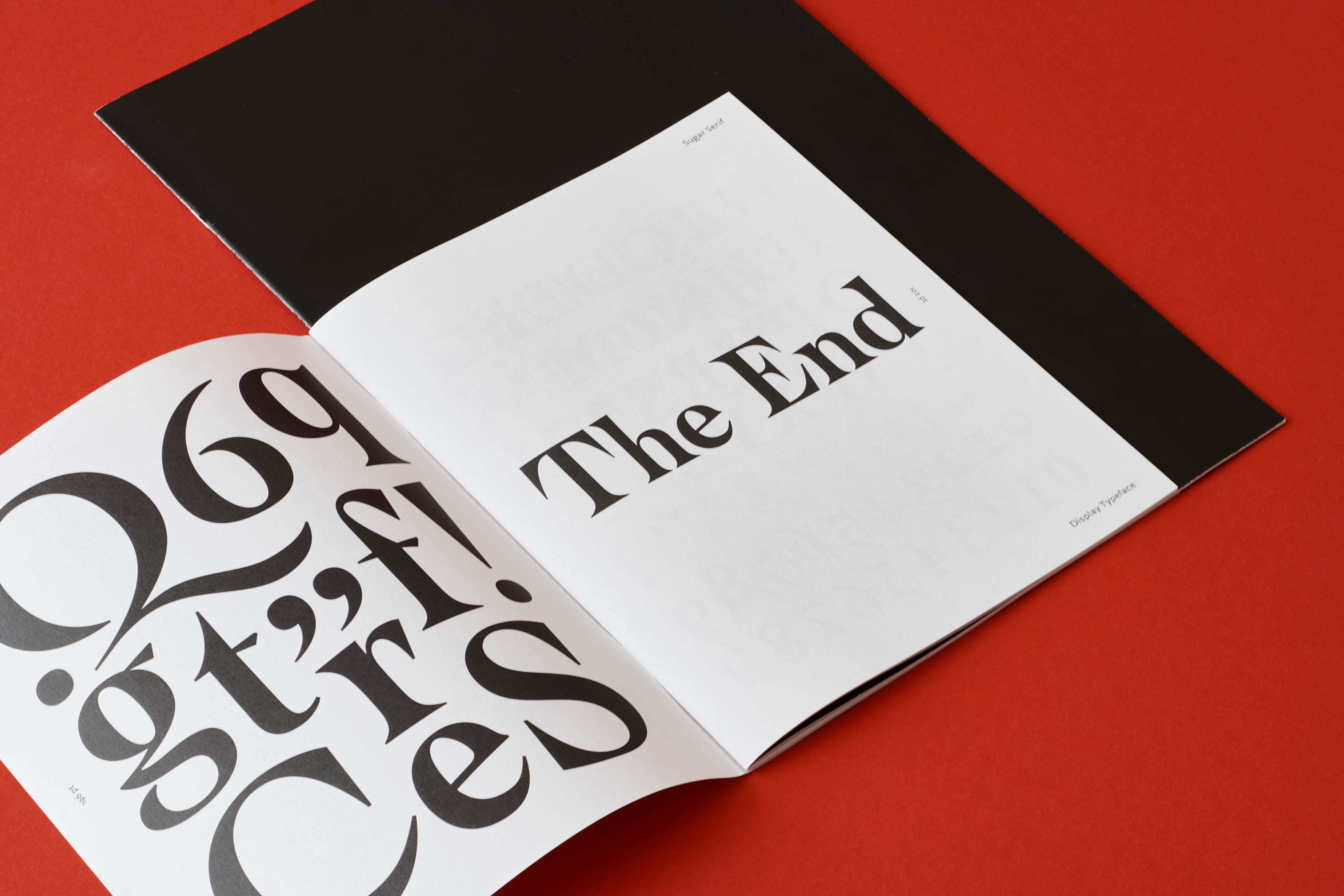
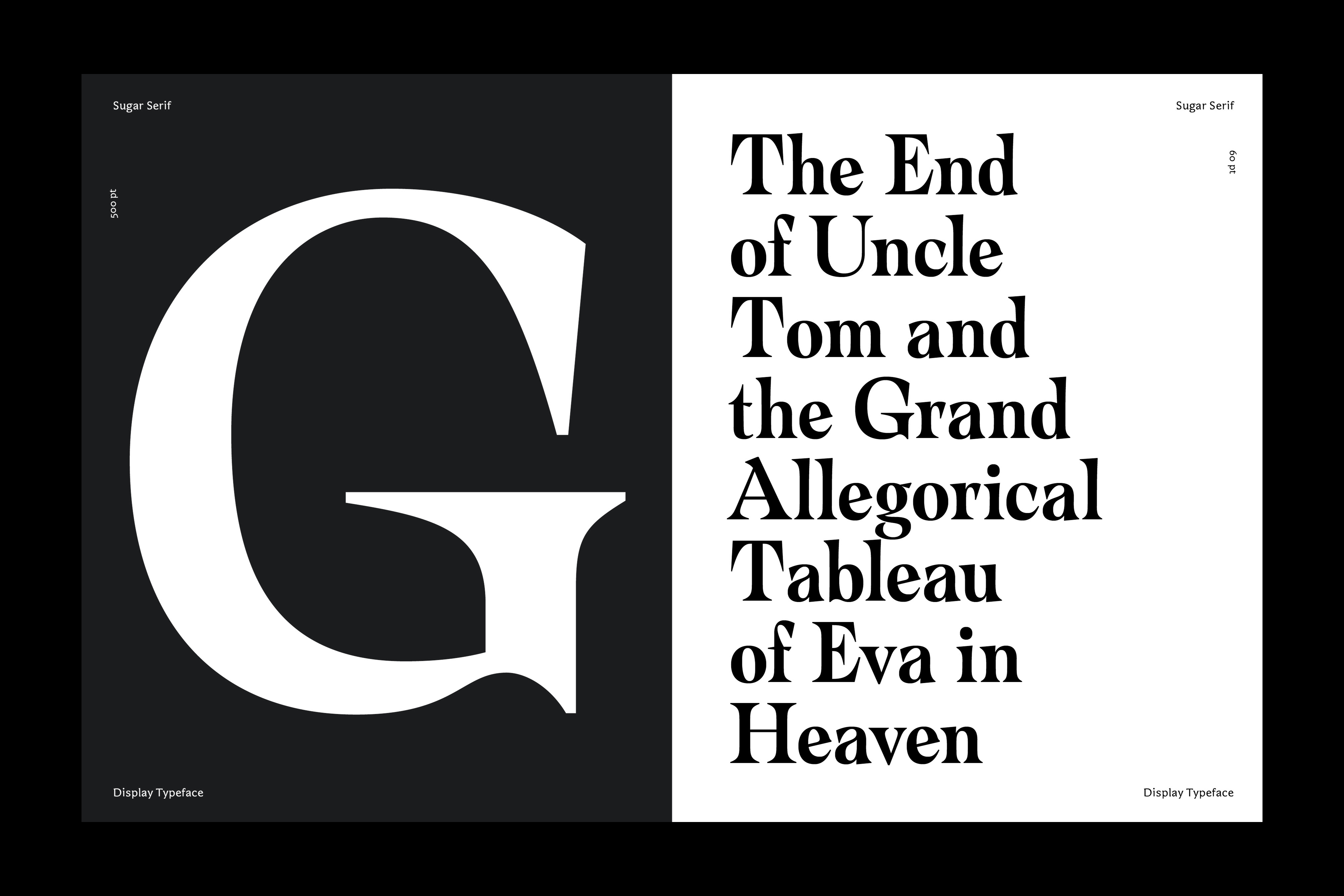
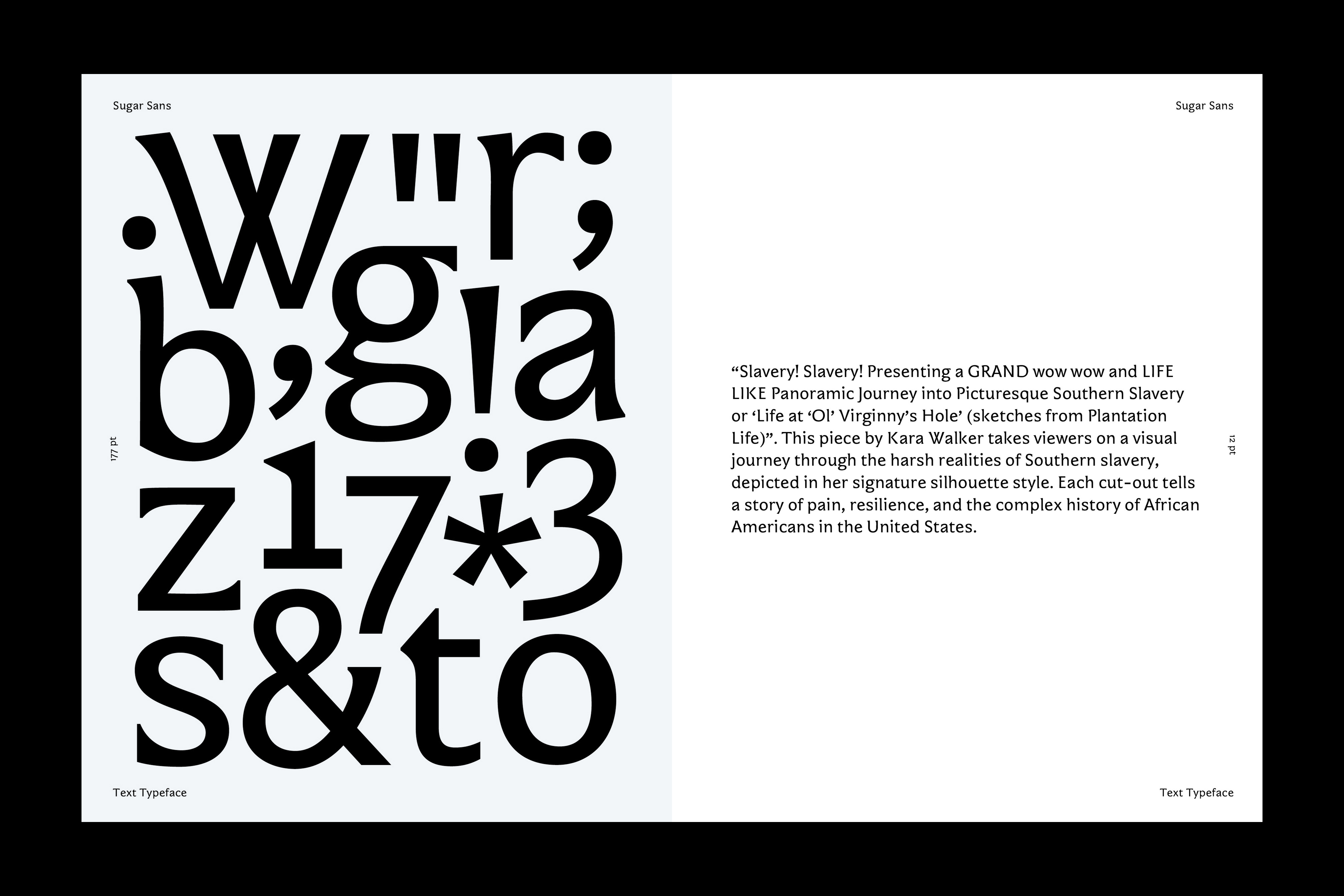
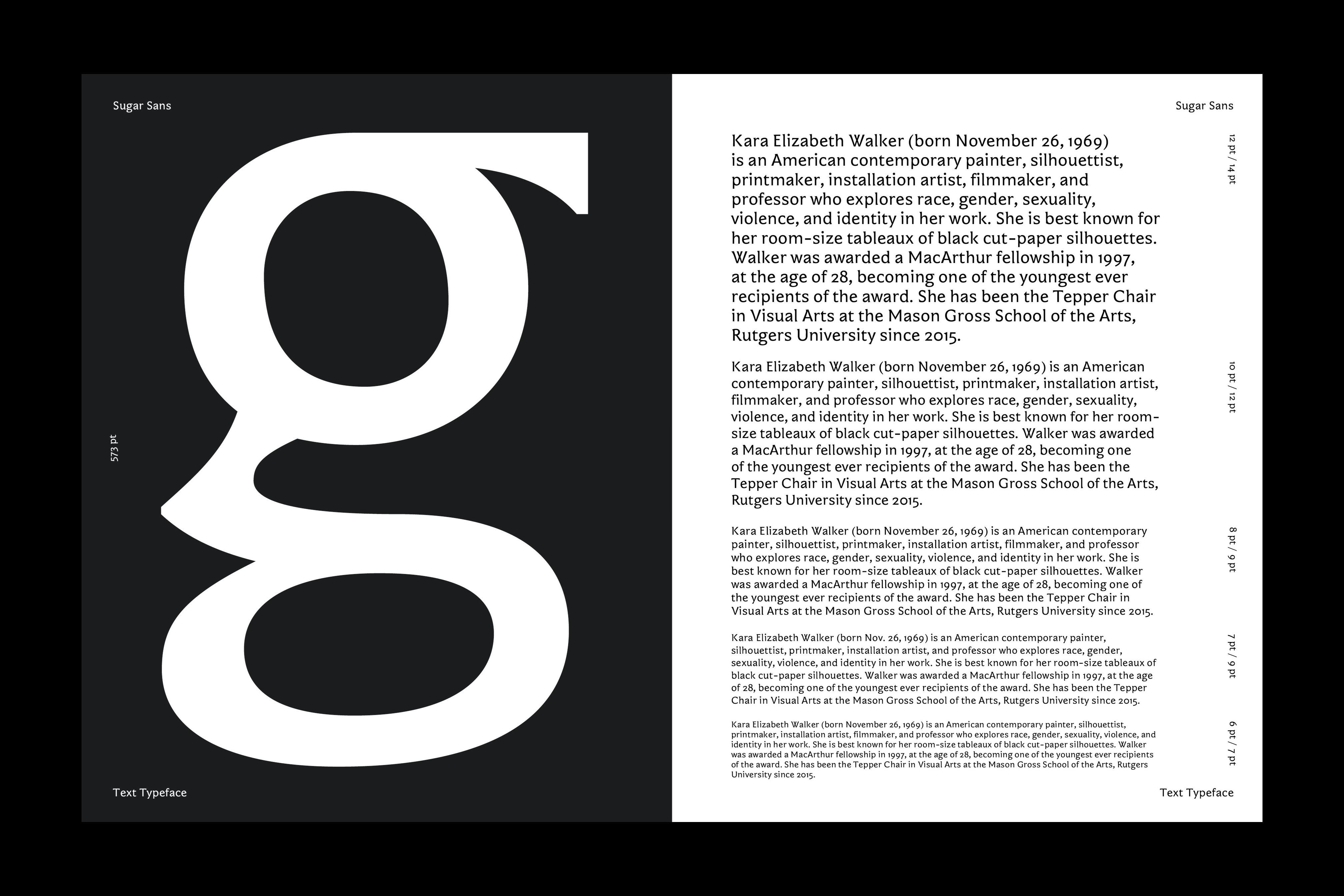
Sugar Display & Text is a contemporary typeface family designed for versatility and readability. The display variant offers classical elegance with modern proportions, while the text style provides clean, functional clarity. Both work harmoniously together, making Sugar ideal for editorial design, branding, and digital applications where typographic consistency and character are essential.
Typeface: Sugar Display & Text
Designed by: Nir Zabari Yenni
Mentored by: Alice Savoie (ECAL)
Year: 2024
Languages: Latin
Formats: OTF, WOFF2
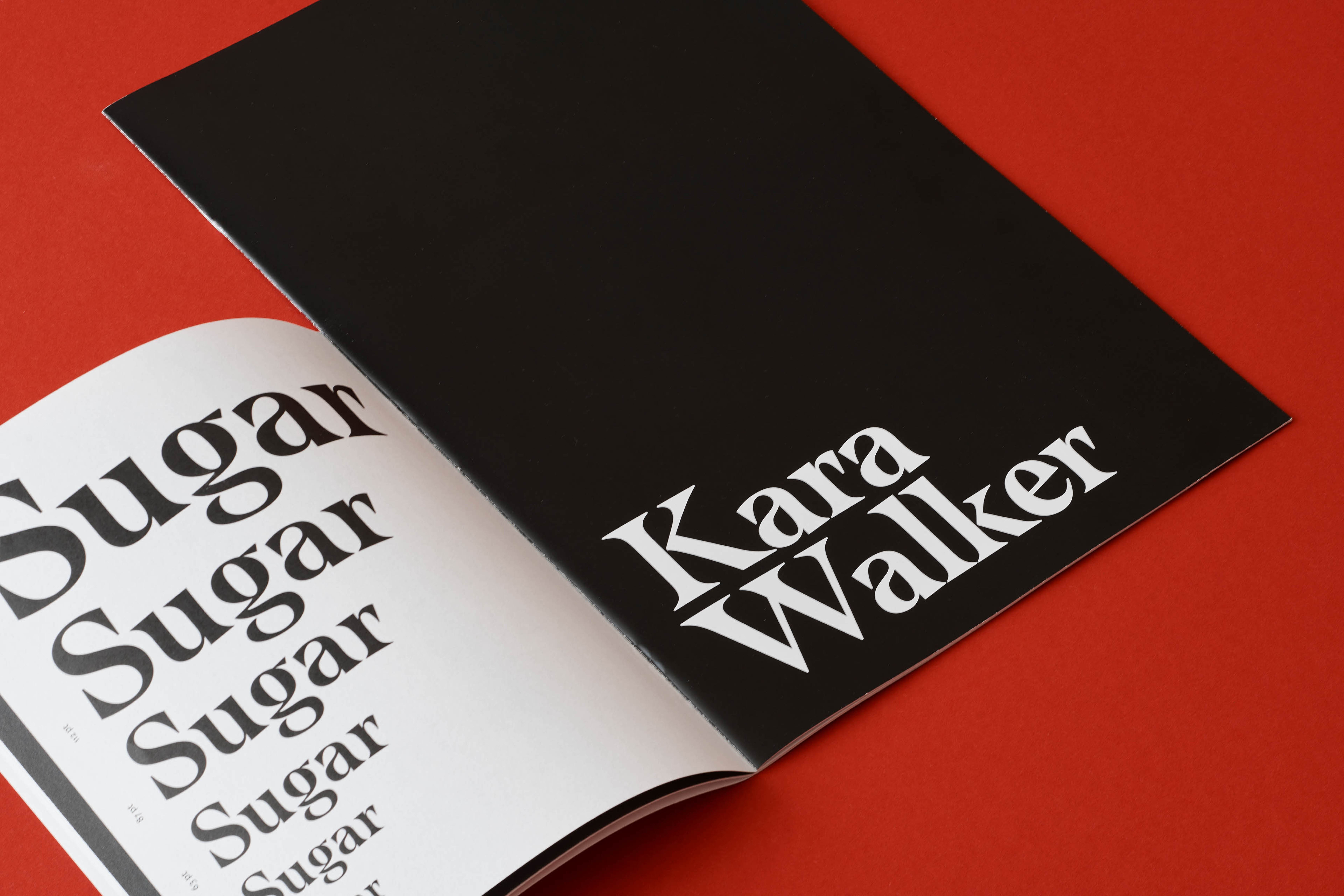
Sugar Display Regular
Sugar Text Regular
Sugar Display Regular
Sugar Text Regular
Sugar Display Regular
Sugar Text Regular
Sugar Display Regular
Sugar Text Regular
Sugar Text Regular
Walker is most widely known for her immersive site-specific installations. Walker plays and almost blurs the lines between types of art forms. Her installations could be fluid between visual art and performance art. Elements of her installations like the theatrical staging or the life-size cut figurines contribute to and somewhat evoke this performative behavior. As Walker has mentioned before, she focuses more on the ideas and concepts behind the artwork rather than focusing on the initial aesthetic and visual aspect of the artwork, creating more of a conceptual outlook. Shelly Jarenski discusses Walker's art in the context of panoramas. Panoramas were very popular in the nineteenth century and were used as a form of entertainment. (28) They usually depicted historical scenes or vast landscapes. Walker's work demonstrates that the aesthetic experiences embedded in the panorama (though those experiences are rooted in the particular contexts of the nineteenth century) persist as a concern in African American art, just as the social consequences of slavery and the racial narratives that structured it persist in shaping our contemporary cultural narratives of race and space. Walker's work also provides a second visual example of the way panoramas can affect spectators, since it is a continual struggle for contemporary scholars to apprehend the visuality of panoramas, given that written sources are often all that survive in the historical archive. (29) When viewing Walker's panoramas, they are illustrative of past events or depictions of the enslavement of African Americans. Her ability to combine devices that were used in the past and recontextualize with the sinful scenes she creates in her large-scale installations deconstructs the aesthetic of these installations. As Jarenski mentioned in her article, Walker's panoramas provide a visual example of how her panoramas affect the viewers which is different from 19th-century panoramas which were limited to written sources. Walker's installations are able to create a contemporary visual interpretation and reinforce one of the themes of panoramas; depict historical events. Thus, further shedding light and interconnectedness on the artistic process and the final artistic output. Kara Walker once explained her artistic process as "two parts research and one part paranoid hysteria," a description that captures the entanglement of history and fantasy that pervades her work. (30) In that sense, through the process of Walker creating her art, 2/3 of it has to do with logical analysis, research, and other rational minded resources. While on the other hand, she suggests a component of rational fear or paranoia. Even despite the rational aspect, there's a sense of uneasiness and complexity that ties and illustrates itself through her work.
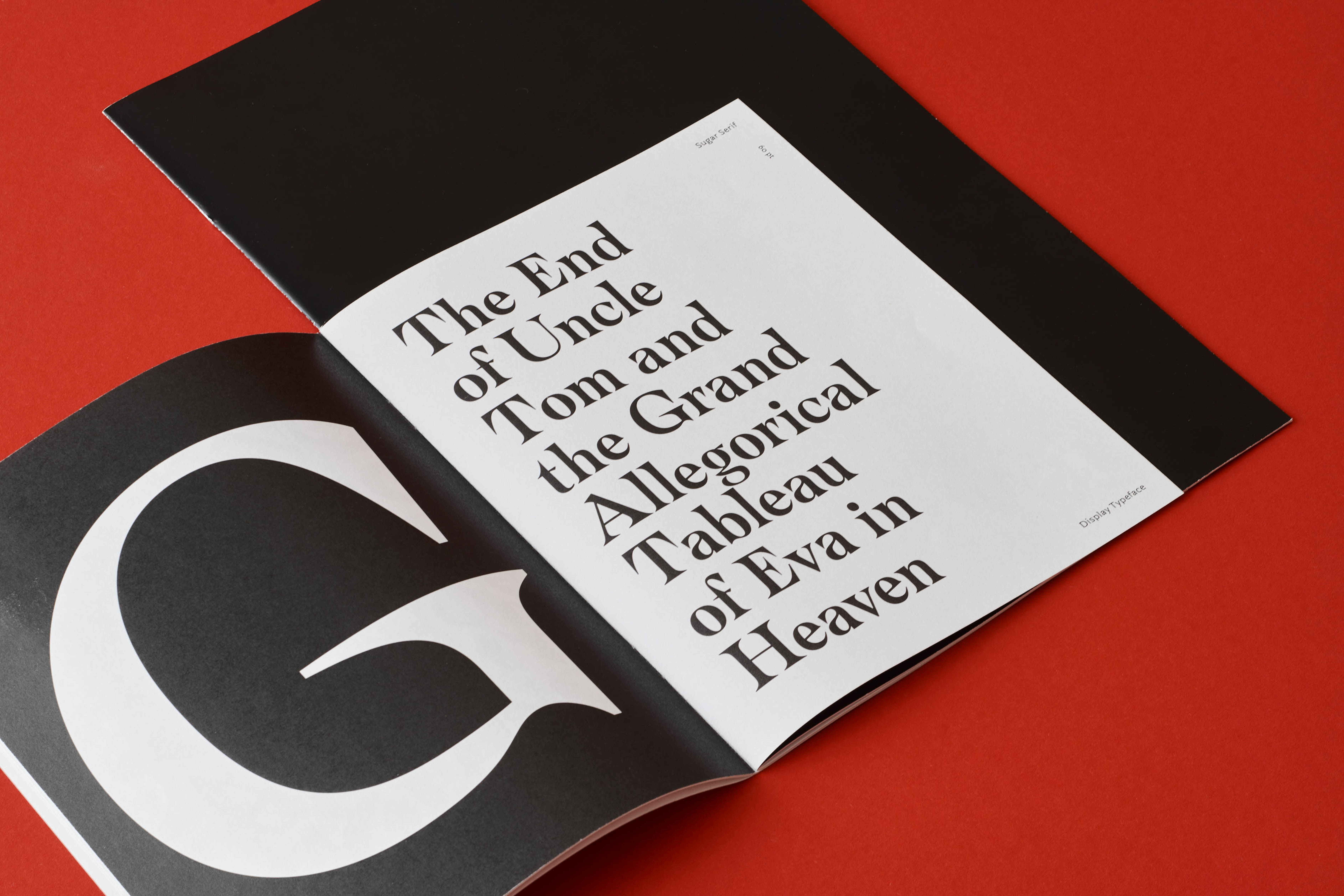
Sugar Display Regular
The End of Uncle
Tom and the Grand
Allegorical Tableau
of Eva in Heaven
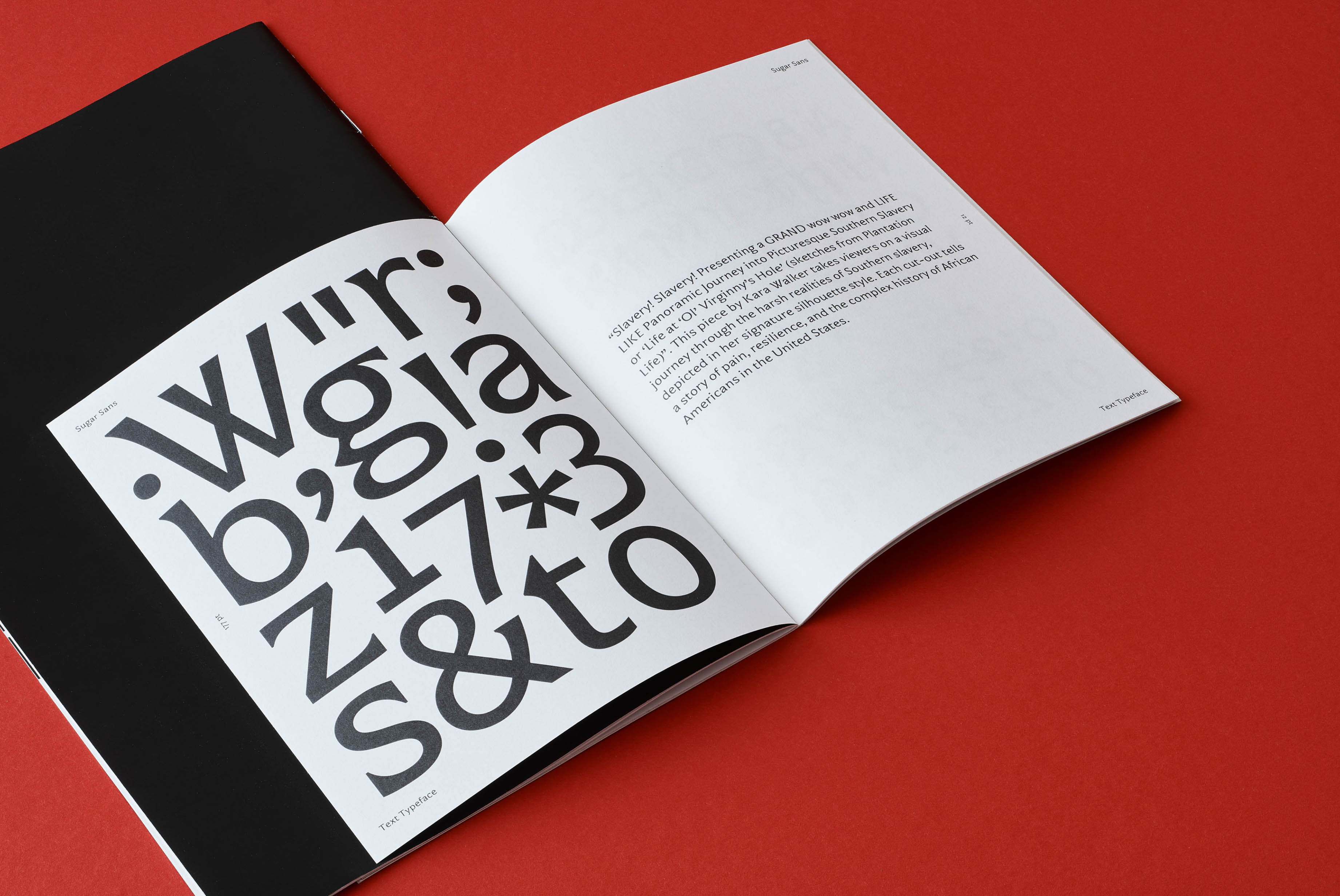
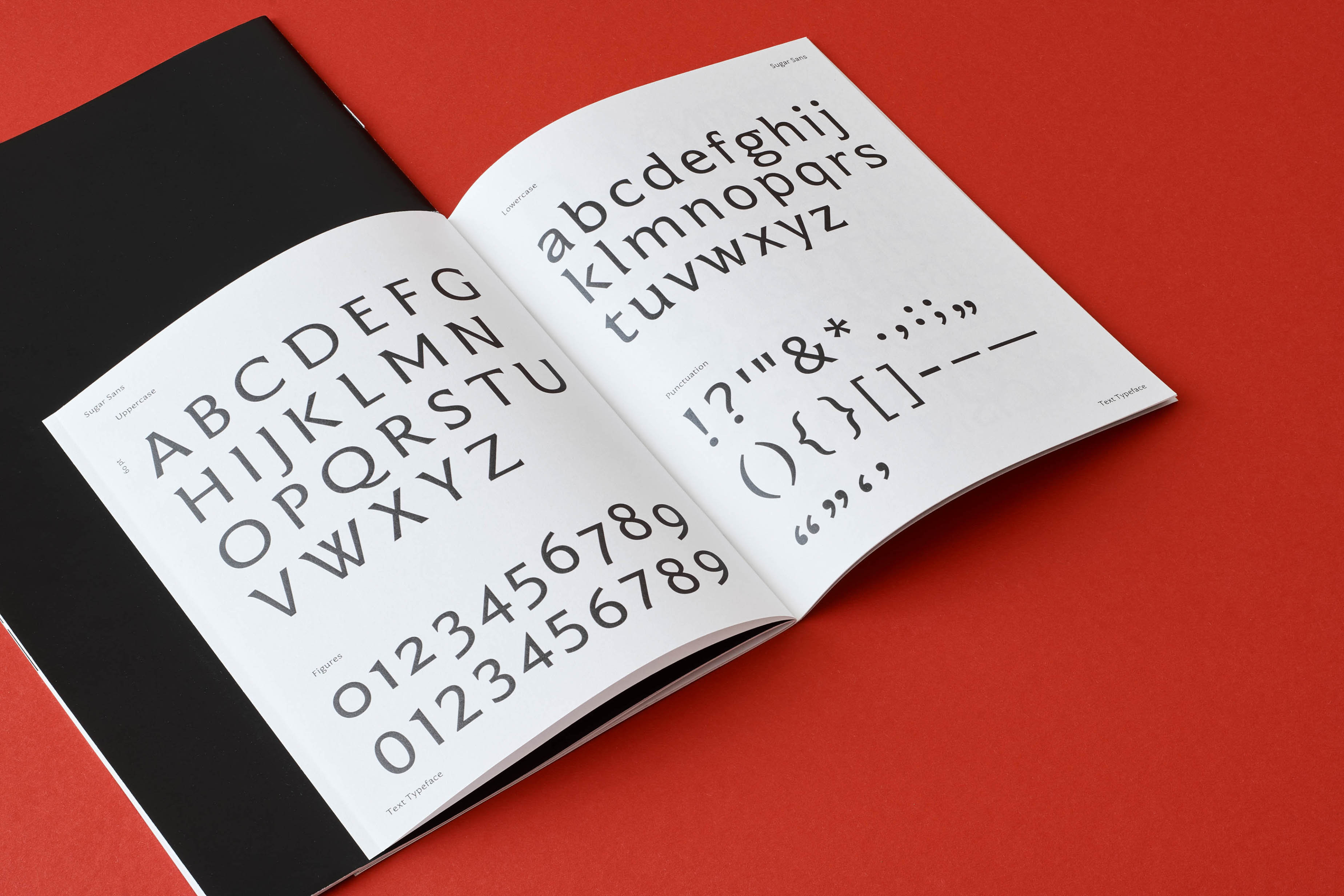
Sugar Text Regular
Ever since Beyoncé — to quote the lady herself — "changed the game with that digital drop" via her self-titled fifth album, released without warning in 2013, she's become the fixed point around which popular culture oscillates. Bandwidth-swallowing think pieces, detailed decoding of every lyric, plus an increasingly vexed right-wing America have kept her name on everyone's lips. She wasn't exactly a cult concern, but the last decade has seen her move beyond mere superstar status, aided by 2016's internet sleuth-facilitating infidelity opus Lemonade and 2022's liberated, post-lockdown dance party, Renaissance. That last album was billed teasingly as Act I, and now arrives the second part of a mooted trilogy. While Renaissance, with its celebration of the oft-ignored influence of Black queer dance pioneers, facilitated a healthy amount of debate, you could cobble together a hefty book on the discourse that's already swirling around Cowboy Carter. Inspired by a less than welcome reaction to the Texan's performance of her country single Daddy Lessons at the 2016 Country Music Awards — where she was dismissed as a "pop artist," seemingly code for "Black woman" — it's an album that takes country music by its plaid shirt collar, holds up its (mainly) male, pale and stale status to the light, and sets it on fire. Thrilling opener Ameriican Requiem — a slow-burn, country-rock opera — references that CMA controversy directly ("Used to say I spoke too country / And the rejection came, said I wasn't country 'nough"), before making broader statements on who gets to call themselves a "true American" ("A pretty house that we never settled in"). It is followed by a cover of the Beatles' folk-y Blackbird (here retitled Blackbiird, a consistent motif used throughout the album to denote it being Act II), a song that was inspired by the experiences of nine teenage Black girls attending an all-white school in post-segregation 1957, featuring vocals from upcoming Black country singers Brittney Spencer, Reyna Roberts, Tanner Adell, and Tiera Kennedy. It's an opening salvo ripe for music scholars to unpick. But Cowboy Carter is never just one thing. Nor does its scholarly detail weigh it down. Just as it uses country music as a backdrop to explore other genres, it also utilizes anger and injustice as shades of a bigger picture. There's fun to be had via the playful, thigh-slapping single Texas Hold 'Em, which makes more sense preceded by an introduction from a stoned Willie Nelson. The unhinged Ya Ya is a freewheelin' sprint through social and economic disparity that channels the electrifying spirit of Tina Turner and samples Nancy Sinatra.
Sugar Text Regular
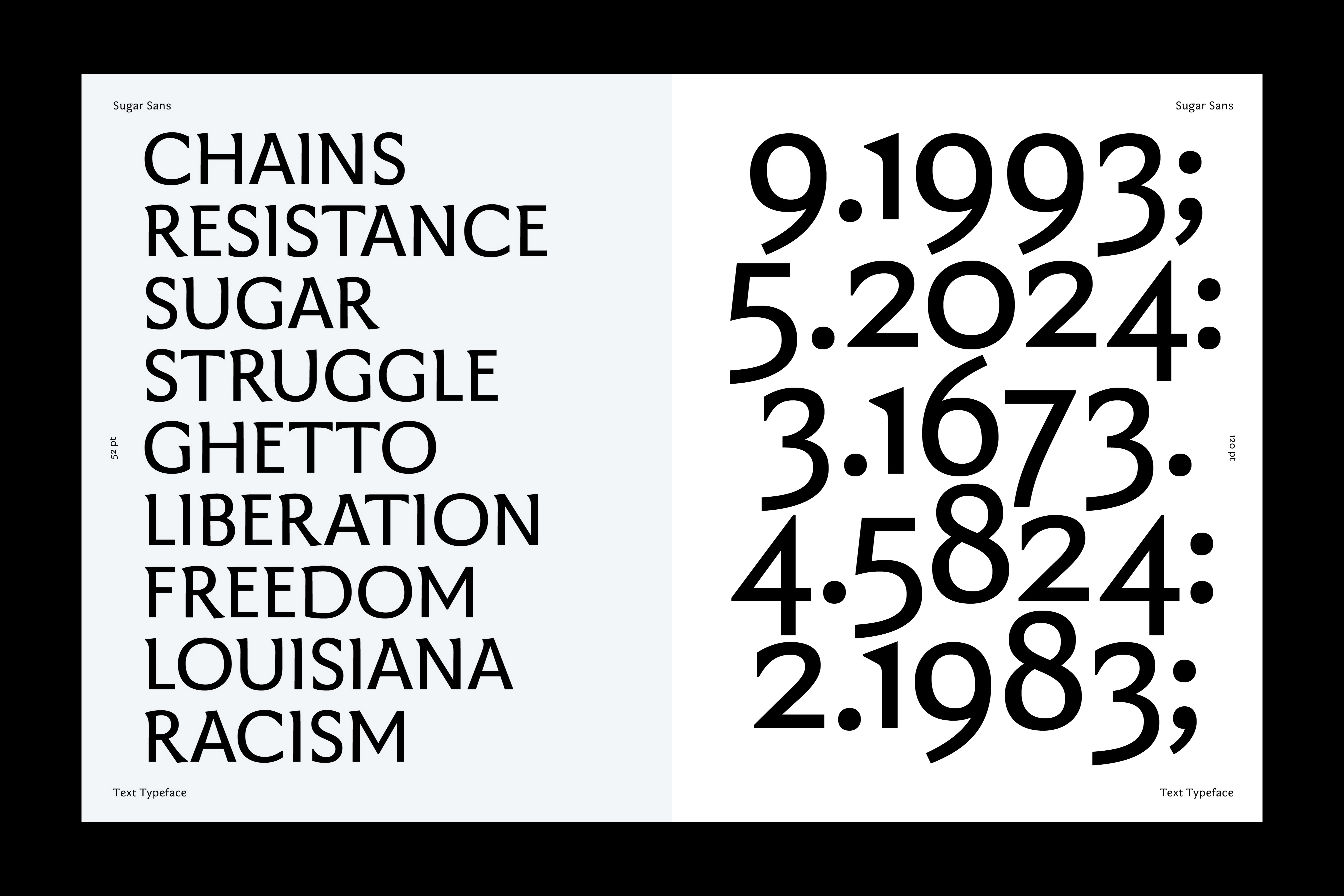
Chains
Resistance
Freedom
Struggle
Sugar Display Regular
Ghetto
Liberation
Louisiana
Racism
Sugar Display Regular
Unicode decimal: 33
Unicode hex: 0021
HTML entity: !
Unicode hex: 0021
HTML entity: !
Sugar in Use
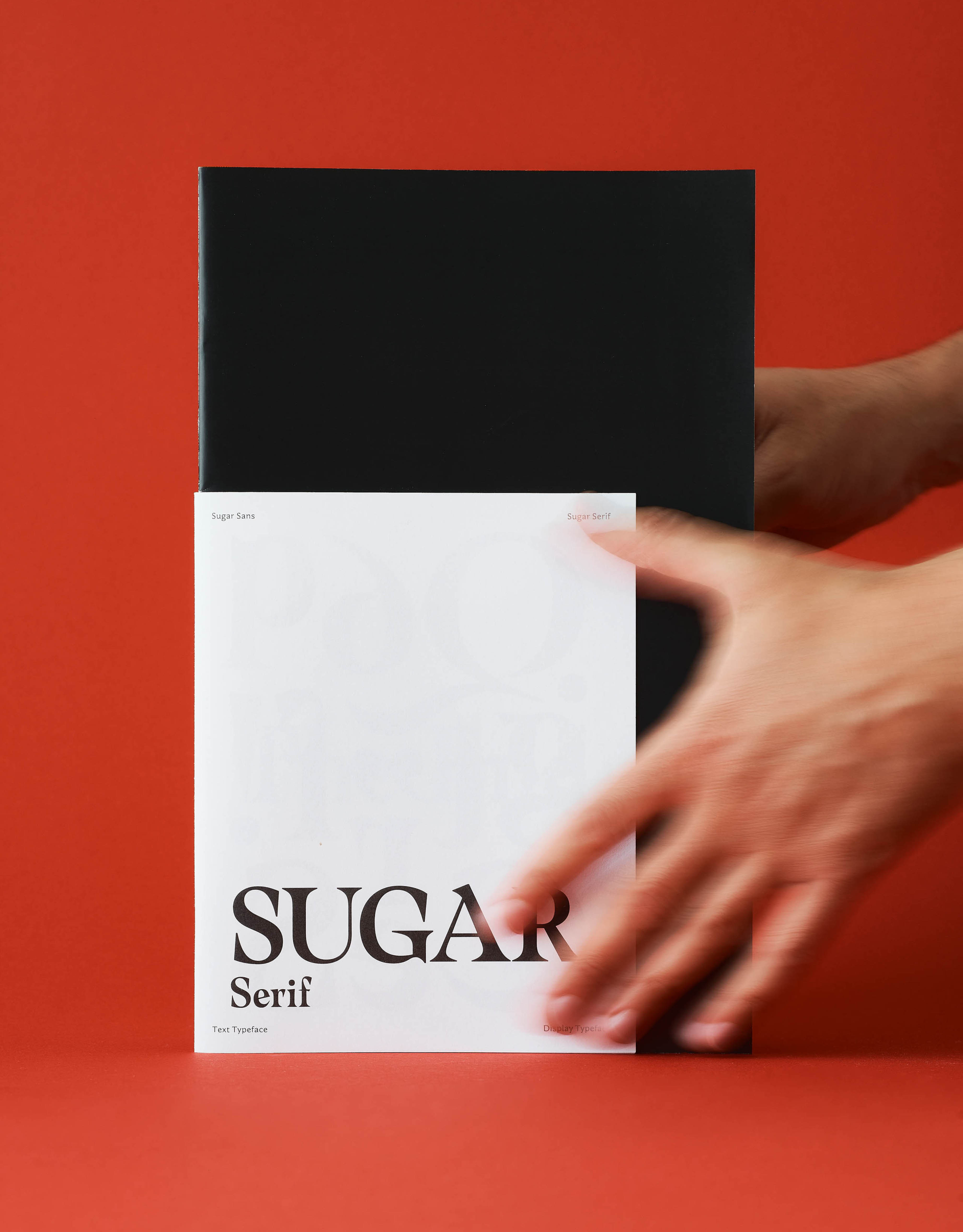
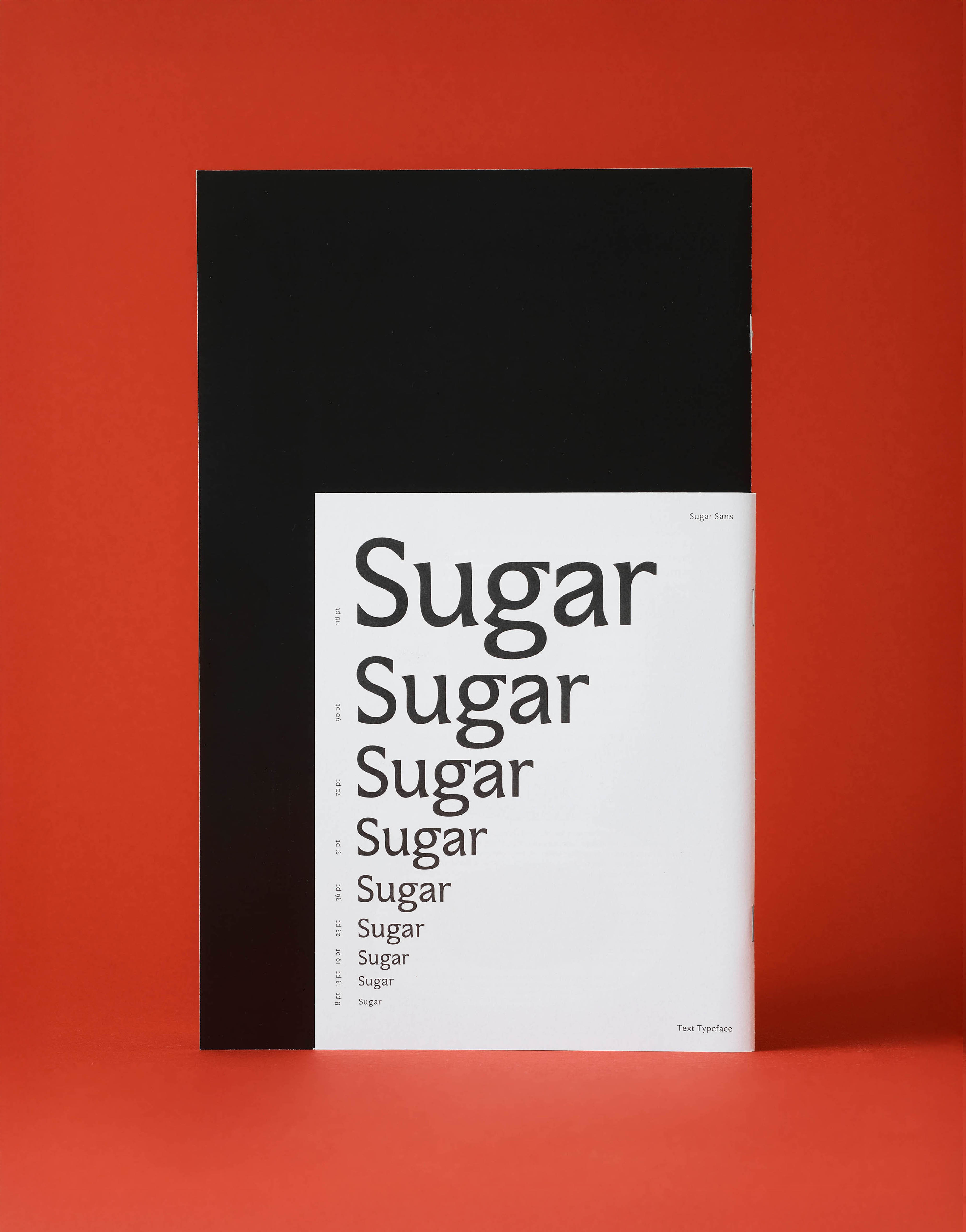
Photos by Visvaldas Morkevicius
Specimen