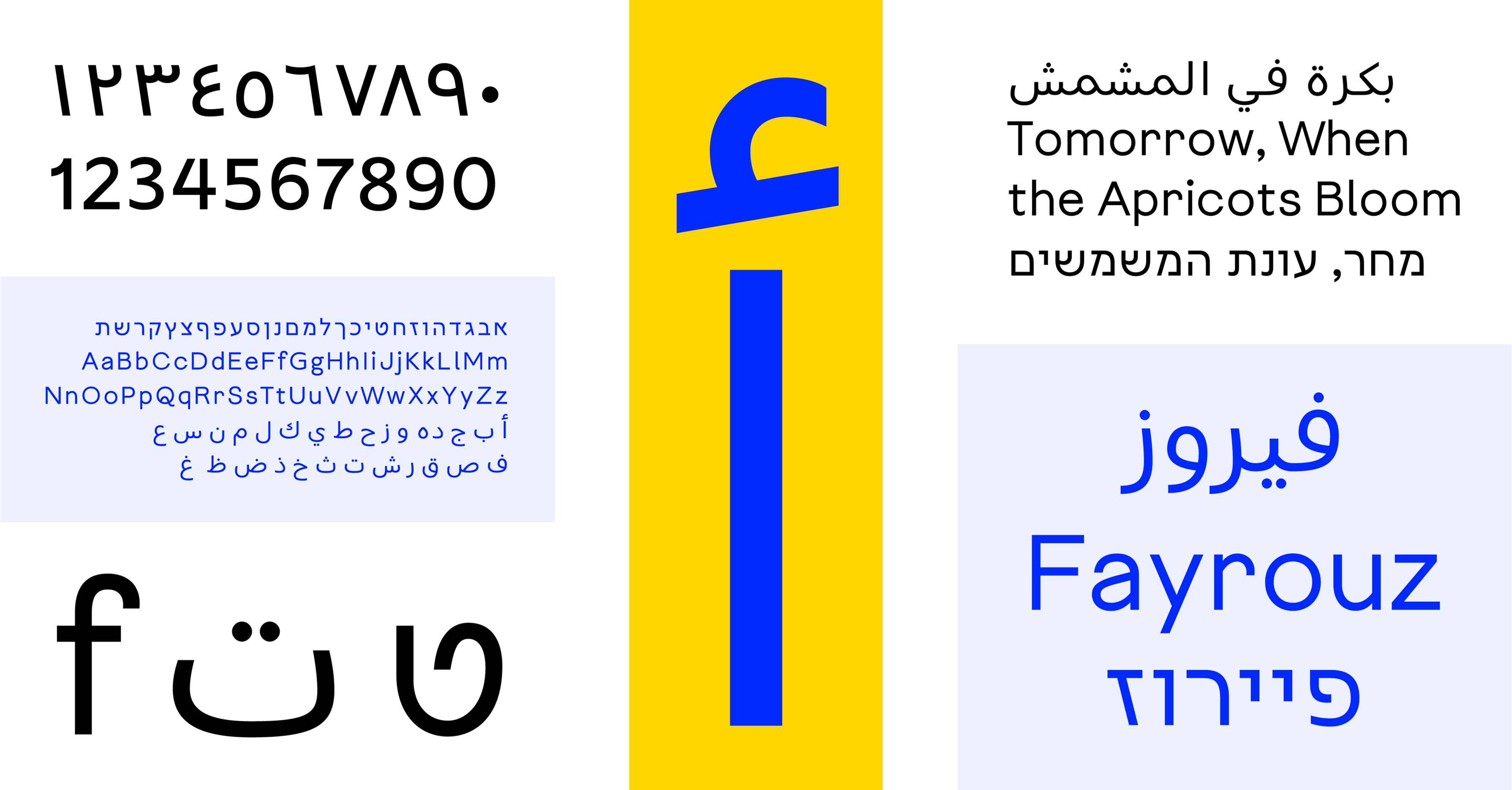
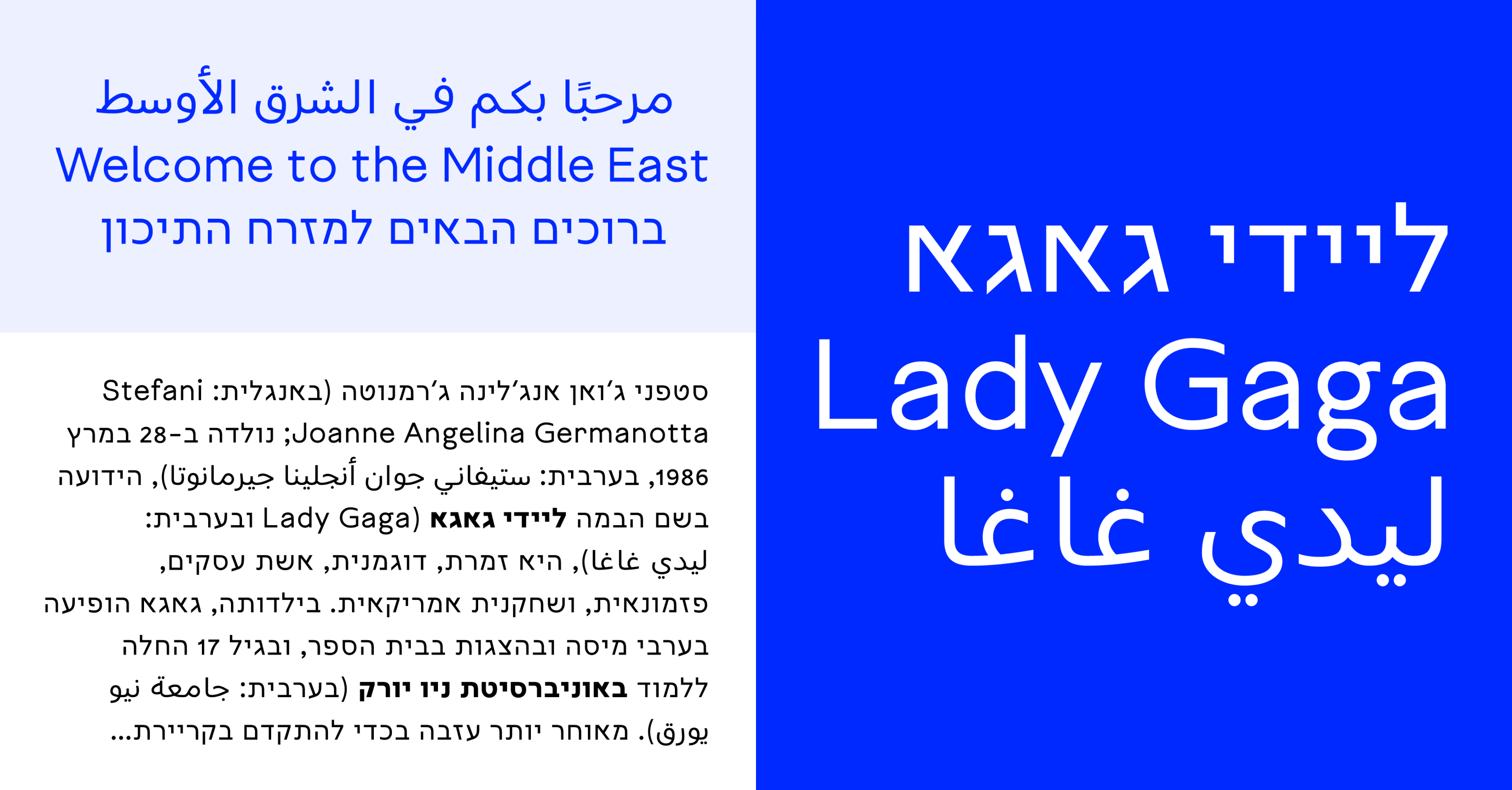
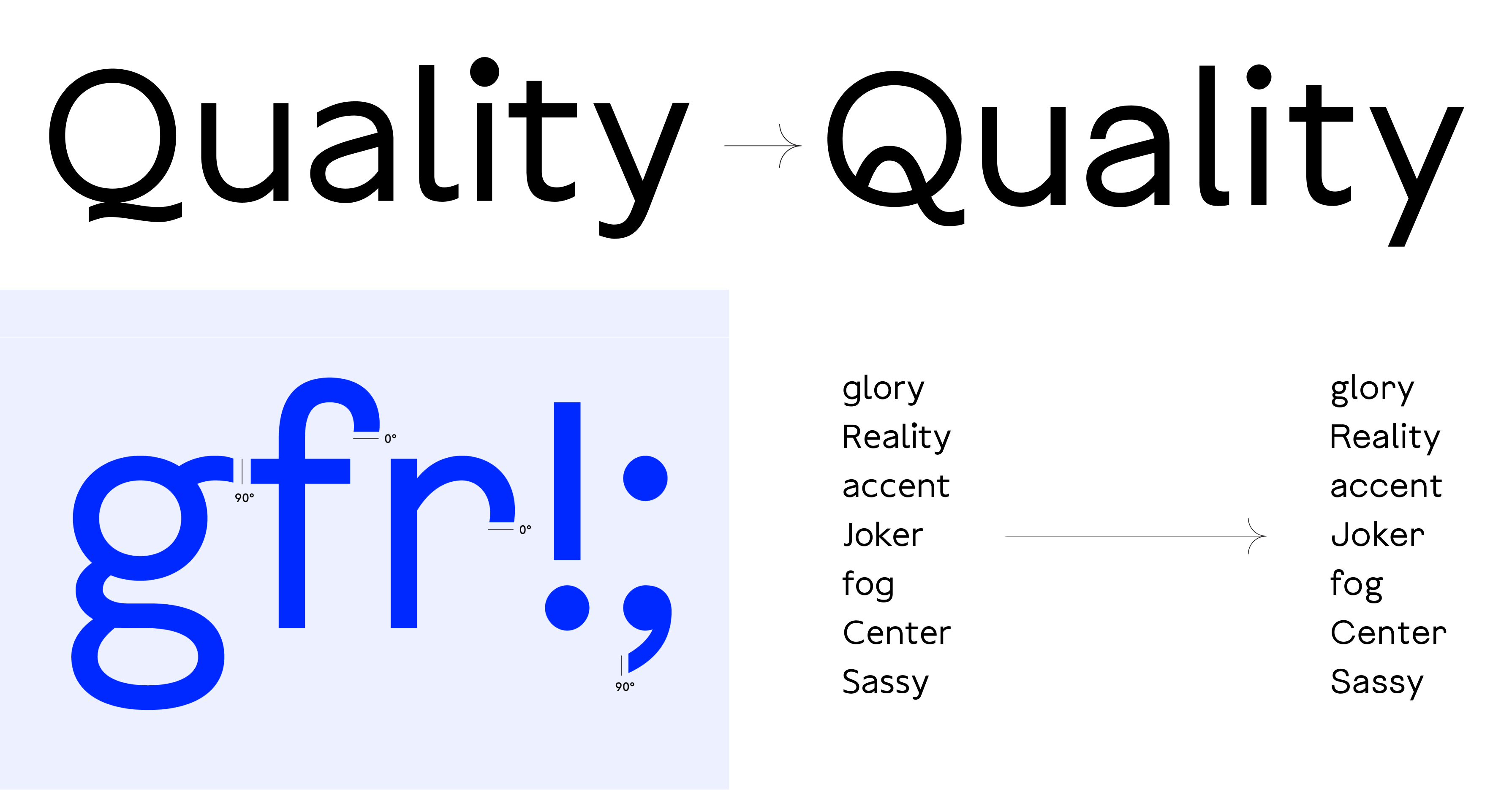
Middle East is a trilingual typeface that openly owns its non native voice while bridging Arabic, Hebrew, and English. Conservative yet cheeky, it embraces the tension between order and disorder to create a versatile, characterful system.
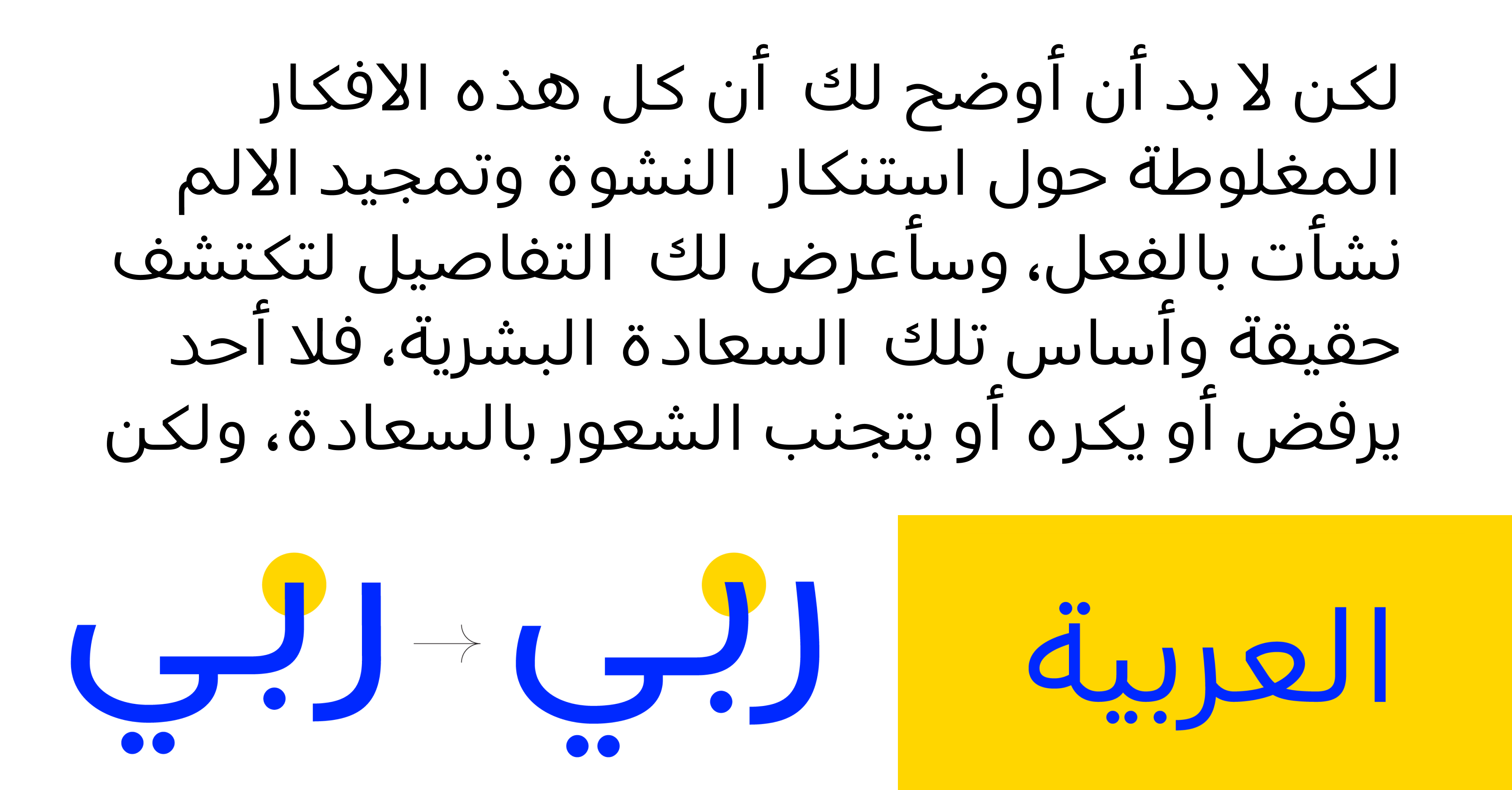
Born from a logotype for an employment fair for people with disabilities, the design evolved into a multilingual family with neo naskh Arabic and a geometric sans Latin that resists perfection. Each script shares a spirit yet keeps its own identity.
Typeface: MiddleEast
Designed by: Nir Zabari Yenni
Year: 2023
Languages: Latin, Hebrew, Arabic
Formats: OTF, WOFF2
Style: Trilingual Display/Text
Use: Multilingual, Display, Editorial
MiddleEast Regular
MiddleEast Regular
MiddleEast Regular
MiddleEast Regular
MiddleEast Regular
Middle East is a trilingual grotesque typeface designed for clear, practical communication in Hebrew, Arabic, and Latin. It is a simple sans built on consistent proportions, minimal contrast, and open shapes that maintain legibility across interfaces, signage, and printed materials. The Hebrew uses a compact, steady structure suited for short and long text. The Arabic keeps a clean connected flow with reduced stylistic variation to align visually with the other scripts. The Latin follows a neutral grotesque model with straightforward forms and balanced spacing. The three scripts share a unified vertical rhythm and similar color on the page, making the typeface easy to use in documents, wayfinding systems, educational material, and any setting where multilingual text must appear together without visual conflict. Middle East focuses on clarity, efficiency, and compatibility rather than expressive gesture, providing a reliable tool for everyday communication.
MiddleEast Regular
مأهولات
MiddleEast Regular
Palestine, officially the State of Palestine, is a country in West Asia. It encompasses the Israeli-occupied West Bank, including East Jerusalem, and the Gaza Strip, collectively known as the Palestinian territories. The territories share most of their borders with Israel, with the West Bank bordering Jordan to the east and the Gaza Strip bordering Egypt to the southwest. It has a land area of 6,020 square kilometers (2,320 sq mi) while its population exceeds five million. Its proclaimed capital is Jerusalem, and Ramallah serves as its administrative center. Situated at a continental crossroad, the Palestine region was ruled by various empires and experienced demographic changes from antiquity to the modern era. It was treading ground for the Nile and Mesopotamian armies and merchants from North Africa, China, and India. The region carries religious significance. The ongoing Israeli Palestinian conflict dates back to the rise of the Zionist movement, supported by the United Kingdom during World War I. The war saw Britain occupying Palestine from the Ottoman Empire, where it set up Mandatory Palestine under the League of Nations. Increased Jewish immigration led to intercommunal conflict between Jews and Palestinian Arabs, which escalated into a civil war in 1947 after a proposed partitioning by the United Nations was rejected by Palestinians and other Arab nations. The 1948 Palestine war saw the displacement of much of the Arab population and the establishment of Israel. In the Six Day War in 1967, Israel occupied the West Bank and the Gaza Strip, previously held by Jordan and Egypt. The Palestine Liberation Organization declared independence in 1988. In 1993, the PLO signed the Oslo Accords with Israel, creating limited PLO governance in the West Bank and Gaza Strip through the Palestinian Authority. Israel withdrew from Gaza in 2005, but the territory is still considered under military occupation and has been blockaded by Israel.
MiddleEast Regular
דשא هواء earth
MiddleEast Regular
הדשא של השכן ירוק יותר, אבל לרוב הוא פשוט דשא: ריח קל אחרי השקיה, מרקם רך שמתייבש בסוף היום, וצבע שמשתנה עם העונות. הוא מסמן חצרות ומדרונות בפארק ויוצר רגעים קטנים של ישיבה או משחק, כמו רקע שקט שנמצא שם תמיד.
Earth is the ground we cross without noticing. It can be firm, dark, or cracked from heat, holding gardens, streets, and the roots of what grows. It quietly marks weather and time, offering a steady surface for life.
الهواء يمر حولنا بهدوء، يبرد الصباح ويجف في الظهيرة ثم يعود بنسمة لطيفة في المساء. لا يُرى لكنه يغيّر الإحساس بالمكان، يحرك ورقة أو يجلب رائحة بعيدة. هو حضور بسيط يرافق اللحظة.
MiddleEast Regular
קונסרבטוריון
Conservatory
كونسرفتوار
MiddleEast Regular
אברהם שלונסקי أبراهام شلونِسكي Avraham Shlonsky אדוניס أدونيس Adonis אמיל חביבי إميل حبيبي Emile Habibi אנטון שמאס أنطون شماس Anton Shammas אליאס ח׳ורי إلياس خوري Elias Khoury ג'וליה בכר جوليا بخر Julia Bakher דליה רביקוביץ داليا رفيكوفيتش Dalia Ravikovitz חיים גורי حاييم غوري Haim Gouri לאה גולדברג לئا غولدبرغ Lea Goldberg יהודה עמיחי يهودا عميحاي Yehuda Amichai יעל נהוראי يعيل ناهوراي Yael Nehorai מירה מגן ميرا ماغين Mira Magen מחמוד דרוויש محمود درويش Mahmoud Darwish מוחמד נפאע محمد نفاع Muhammad Naffa נתן זך ناتان زاخ Nathan Zach עלא חליחל علاء خليل Alaa Hlehel עזיז שאחין عزيز شاهين Aziz Shahin סמיח קאסם سميح القاسم Samih al Qasim סמי מיכאל سامי ميخائيل Sami Michael
MiddleEast Regular
אנציקלופדיה
MiddleEast Regular
في عالم تتعايش فيه ثلاث لغات ضمن المساحات المادية نفسها من اللافتات الحكومية إلى الكتب، ومن محطات القطار إلى التطبيقات تحولت الحاجة إلى خط ثلاثي اللغات من طلب متخصص إلى ضرورة عملية. تحمل كل من العبرية والعربية واللاتينية تقاليد طباعية، وديناميكيات مكانية متميزة، وروابط ثقافية. يُعد تصميم نظام خطوط يتيح لهذه الأنظمة الثلاثة مشاركة المساحة البصرية دون المساس بسلامة أي منها أحد أكثر التحديات تعقيدًا وإرضاءً في تصميم الخطوط. يجب أن يقدم الخط الثلاثي أكثر من دعم تقني لتغطية Unicode أو تعيين الأحرف الأساسية.
يجب أن يعمل كنظام بصري يأخذ في الاعتبار اتجاه الكتابة، والإيقاع، والتعديل، والتباين، والوزن عبر الأنظمة. تتدفق العربية من اليمين إلى اليسار بشكل متصل مع استخدام متكرر للربط، وخطوط أساس تتمايل وتنحني، ومساحات داخلية تفتح نحو اليسار. تميل العبرية أيضًا من اليمين إلى اليسار إلى أشكال أكثر تربيعًا وخطوط أساس أكثر اتساقًا. أما اللاتينية فهي نظام مفتوح، قائم، وموديولي تطور باستخدام أدوات ومنطق بصري مختلف تماما. يكمن التحدي التصميمي ليس في تقليل هذه الاختلافات، بل في السماح لها بالتعايش بطرق تبدو مقصودة ومتوازنة. من الناحية العملية، يحتاج المصممون العاملون في سياقات متعددة اللغات إلى خط يدعم التسلسل الهرمي البصري عبر الأنظمة. يجب أن تبدو العناوين البارزة بالعربية بارزة بنفس القدر مثل نظيراتها بالعبرية والإنجليزية. يجب أن تنسجم الفقرة العبرية مع اللاتينية دون أن تبدو مضغوطة جدا أو كبيرة الحجم. يجب ألا تبدو التسمية التوضيحية اللاتينية أسفل عنوان عربي كعنصر خارج السياق الطباعي. هذه قرارات تعكس الاحترام والوضوح والشمولية.
تختلف الاستراتيجيات الجمالية لتحقيق ذلك. يسعى بعض المصممين إلى الاتساق الهندسي عبر الأنظمة - مواءمة ارتفاعات الأحرف أو ارتفاعات الأحرف الكبيرة أو تعديل السكتات. يسمح آخرون بمزيد من التباين، معتمدين على أن التخطيط والتباعد سيخلقان التناغم بدلا من التماثل. كلا النهجين لهما قيمة، اعتمادا على الاستخدام المقصود. على سبيل المثال، قد يستفيد التوقيع العام من المحاذاة الصارمة للقراءة السريعة.
تُستخدم الخطوط الثلاثية في مجموعة واسعة من التطبيقات: الوثائق الحكومية، المؤسسات الأكاديمية، المعارض المتحفية، واجهات المستخدم، التغليف، أنظمة التوجيه الحضري، والمزيد. في أماكن مثل إسرائيل، فلسطين، ولبنان أو بين المجتمعات الشتاتية حيث التعددية اللغوية تجربة معيشية، وهذه البيئات المتجاورة، هذه الخطوط ليست فقط وظيفية، بل ضرورية. إنها تخدم كأدوات للتواصل، كدليل بصري على التعددية، وكقطع ثقافية معبرة ومتنوعة تجسر الفجوات بين الجماهير الذين يقرؤون العالم بشكل مختلف.
ومع ذلك، لا يزال تطوير مثل هذه الخطوط نادرًا نسبيًا. على عكس العلامات التجارية العالمية التي غالبًا ما تطلب خطوطًا ثنائية اللغة أو أوروبية شاملة، توجد أنظمة قليلة تدعم العبرية، والعربية، واللاتينية بشكل مدروس وجميل بالتساوي. يرجع ذلك جزئيًا إلى تعقيد الأنظمة نفسها، ولكن أيضًا إلى الحساسيات الثقافية المطلوبة للقيام بهذا العمل بشكل جيد. يجب على مصمم الخط الذي يدخل هذا المجال أن يسأل: كيف أكرم الصوت البصري لكل نظام؟ كيف أوازن بين الحيادية والتعبير؟
MiddleEast Regular
ואדי ניסנאס (وادي النسناس) היא שכונה ותיקה ותוססת בעיר התחתית של חיפה, הידועה בהיסטוריה עשירה ובחיי קהילה מגוונים, בין שדרות הציונות, רחוב שבתאי לוי, רחוב הנביאים ורחוב אלנבי. חיים בה כ־8,000 תושבים, רובם ערבים נוצרים, ולצד בתיה פזורות כנסיות שנבנו לאורך המאה ה־20. השכונה מופיעה ביצירותיהם של אמיל חביבי (إميل حبيبي) וסמי מיכאל (سامي ميخائيل). חביבי, שגדל בוואדי, כתב ביומון אל איתיחאד (الاتحاد) ותיאר את ההווי המקומי ביצירותיו, בעוד שמיכאל הציב בה את עלילת חצוצרה בוואדי (البوق في الوادي, 1987). גם המשורר חסן אל בוחיירי (حسن البخيري) נולד בה וכתב עליה. ואדי ניסנאס מוכר בשוקיו ובמאכליו מאז שנות ה־30, ובהם פלאפל, תבשילי ירקות ומאפים מסורתיים. בסמטאות הצרות נגלות חצרות נסתרות, בתי אבן משנות 1920 וציורי קיר שהתווספו החל מ־1995. בשנים האחרונות מתקיימים במקום אירועי תרבות ופסטיבלים, ובהם פסטיבל החג של החגים הפעיל מאז 1994. השילוב בין קהילה מגוונת, מסורת ארוכה ורחובות מלאי חיים הפך את השכונה לסמל של חיפה רב תרבותית.
MiddleEast Regular
garlic
MiddleEast Regular
حِيفَا أو حيفة (חֵיפָה) مدينة من أكبر وأهم مدن فِلسطِين التَاريخِية، تقع اليوم في منطقة حيفا الإسرائيلية على الساحل الشرقي للبحر المتوسط، وتبعد عن القدس حوالي 158 كم إلى الشمال الغربي. يبلغ عدد سكانها حوالي 290,306 نسمة (حتى عام 2022) إضافة إلى 300,000 يعيشون في الضواحي السكنية حول المدينة، مما يجعلها ثالث أكبر مدن البلاد حالياً بعد القدس وتل أبيب من حيث السكان، الذين يشكل اليهود منهم الغالبية، بينما يشكل العرب (مسيحيون ومسلمون) الأقلية بعد تهجير معظمهم في النكبة عام 1948.
MiddleEast Regular
ויקטוריה
Victoria
فيكتوريا
MiddleEast Regular
Mount Carmel (Hebrew: הַר הַכַּרְמֶל; Arabic: جبل الكرمل), also known in Arabic as Mount Mar Elias (Arabic: جبل مار إلياس, "Mount Saint Elias/Elijah"; Hebrew: הַר הַקָּדוֹשׁ אֵלִיָּהוּ), is a coastal mountain range in northern Israel stretching from the Mediterranean Sea towards the southeast. The range is a UNESCO biosphere reserve. A number of towns are situated there, most notably Haifa, Israel's third largest city, located on the northern and western slopes.
The Carmel range is approximately 6.5 to 8 kilometres (4.0 to 5.0 miles) wide, sloping gradually towards the southwest, but forming a steep ridge on the northeastern face, 546 metres (1,791 feet) high. The Jezreel Valley lies to the immediate northeast. The range forms a natural barrier in the landscape, just as the Jezreel Valley forms a natural passageway, and consequently the mountain range and the valley have shaped movement and invasions.
MiddleEast Regular
Unicode decimal: 97
Unicode hex: 0061
HTML entity: a
Unicode hex: 0061
HTML entity: a
Specimen